
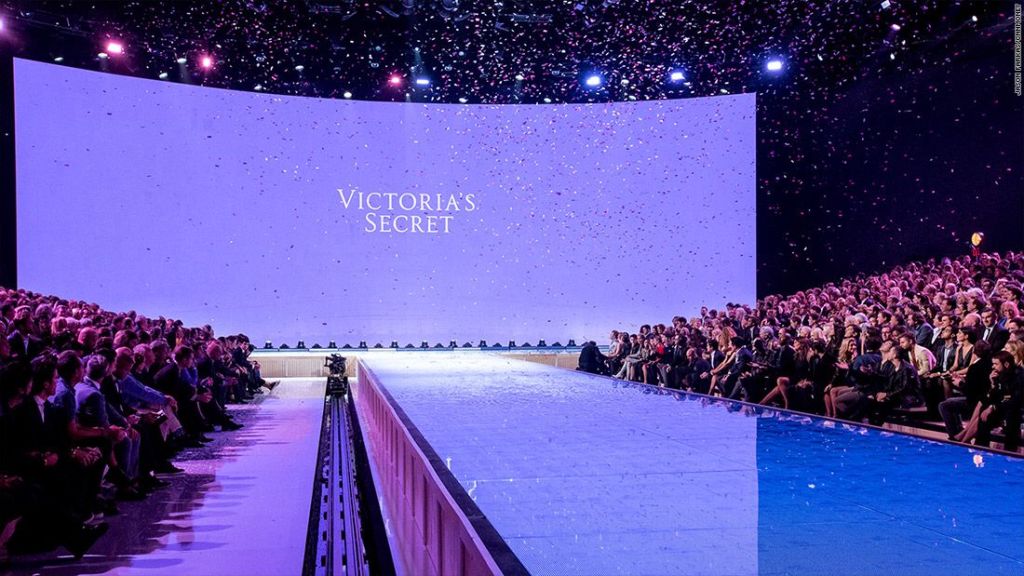
For years, the Victoria’s Secret Fashion Show was a cultural moment. Even people who never bought a single thing from the brand tuned in just to be part of it. Then everything crashed in 2019. This year’s show in New York marks another comeback attempt, and the big question is: did they actually learn anything from the past, and did 2025 do any better than 2024?
Why the Show Was Canceled in 2019
In the late 2010s, the brand was losing its grip. Sales were dropping, viewer numbers were tanking, and culturally, Victoria’s Secret just felt outdated. People criticized the brand for being stuck in a fantasy world that didn’t reflect real customers. Executives were openly dismissive of expanding size ranges or bringing in different body types. Add the Epstein scandal hanging over the company and it became impossible to defend the show. By the end of 2019, they pulled the plug.
The Comeback Strategy
After everything fell apart, Victoria’s Secret tried to rebrand itself. They started pushing inclusivity with new ambassadors, different body types, and a softer tone overall. But let’s be honest, online campaigns can only do so much when people still associate you with a big televised show. That’s when the idea of bringing it back slowly started to creep in.
The 2024 version wasn’t about recreating the old days with wings and glitter. It felt more toned down, more diverse models, softer visuals, and a focus on personality and storytelling instead of pure fantasy. They mixed fashion, performance, and messaging and dropped the pressure around the old “Angels” branding. People were curious enough to watch, but it wasn’t some massive internet moment. It was more like the brand testing the water and seeing who was still paying attention.
The 2025 Show in New York: Bigger, Louder, and More Strategic
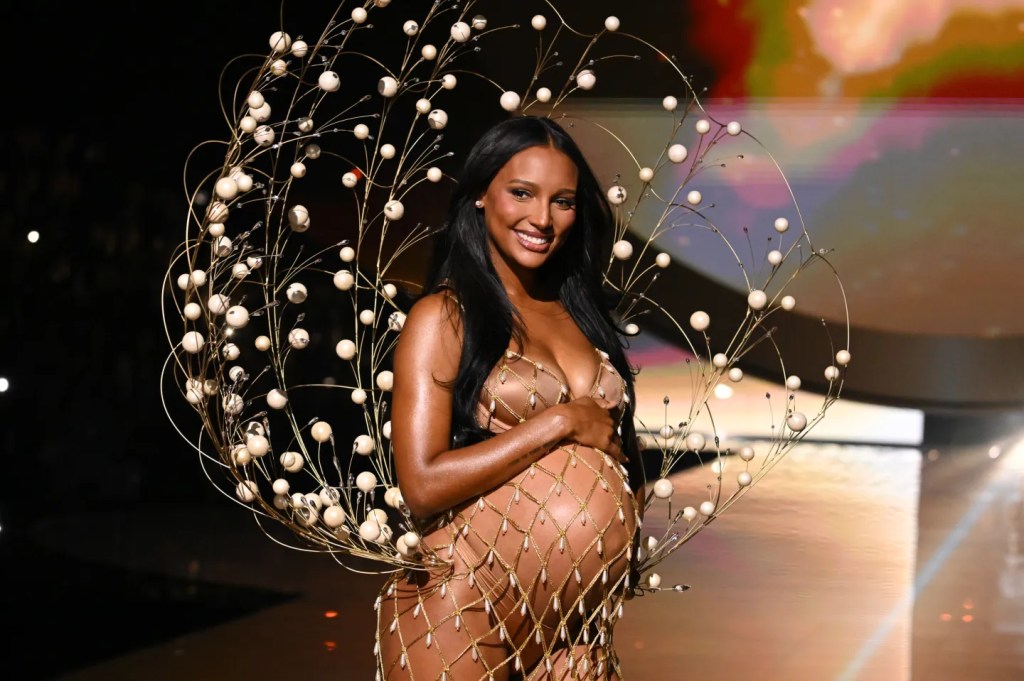
This year’s show in New York picked up where 2024 left off but came across more confident. It was clear the brand wanted another cultural moment, not just a PR reset. The production felt more polished than last year, with a mix of familiar faces and new modeling talent. Media coverage was bigger, social buzz was stronger, and there was a clear shift toward fashion and performance instead of the old fantasy wing aesthetic. The show was also tied more directly to product drops and sales, which made it feel less like a statement and more like a strategic move. Fans responded well to the energy and visuals, and social media engagement was noticeably higher than in 2024. Overall, it felt like Victoria’s Secret was testing whether people were actually ready for them to step back into the spotlight.
2024 vs 2025: What Actually Changed?
When you compare the 2024 and 2025 shows, the biggest difference is confidence and intent. The 2024 show felt like a trial run, almost like the brand was easing its way back in without wanting to make too much noise. It focused on repairing the image and proving they could move on from the old version of the show. The 2025 event, on the other hand, leaned into being a real comeback. The production value was higher, the casting felt more balanced, and the marketing around it was much more intentional. The tone also shifted from image recovery to relevance and revenue. Last year was about testing the reaction. This year was about stepping back into the spotlight with purpose.
Why the Show Still Matters for Marketing and Revenue
People didn’t stop caring about the Victoria’s Secret show just because it disappeared for a few years. Even during the break, there was constant speculation about whether it would ever come back. It was never just about the lingerie; the show became a pop culture moment that blended fashion, music, and celebrity energy. Fans tuned in to see who was performing, who was walking, what new looks were coming out, and how the brand would try to reinvent itself. There’s also a nostalgia factor because, for a lot of people, the show felt like a holiday-season tradition. When the show was canceled, sales were already slipping, so the shutdown wasn’t the main problem. It was just the visible sign that the original fantasy no longer matched how people saw themselves. With the comeback, the show isn’t just about putting models on a runway again. It’s being used as a full-on marketing tool designed to create buzz, push product drops, boost relevance, and drive traffic across platforms. Instead of relying on old-school TV formats, the brand is focusing on digital reach, streaming clips, and social media engagement. The 2025 show especially is tied to new collections and timed moments that reconnect past customers and bring in younger ones who never had a reason to care before.
What These Comebacks Signal
The 2024 show was the quiet re-entry, a way to test the waters without making too much noise. The 2025 show felt more like a real return, something closer to what people expect from the brand. Whether this momentum actually lasts depends on what they do from here. If they slip back into their old ways, people won’t hesitate to call them out. But if they keep adapting, the show might actually hold relevance again.
No matter what, the comeback isn’t random. It’s a calculated move. These shows still shape how people see the brand, influence sales, and determine where Victoria’s Secret sits in culture, and the company knows that better than anyone.
 KMSH
KMSH 
Leave a comment